Targeting Allergies at the Source
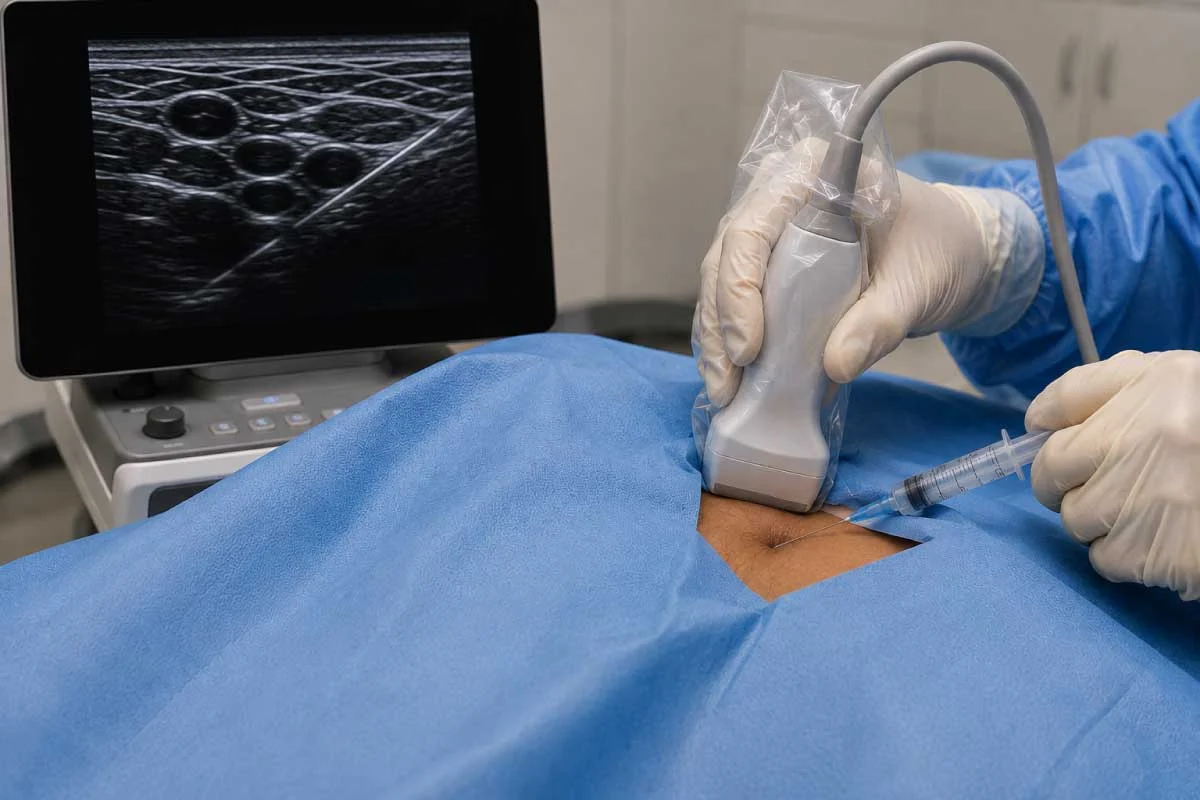
Intralymphatic Immunotherapy (ILIT), is an advanced allergy treatment designed to help the body build tolerance to allergens in a shorter amount of time. Unlike traditional allergy shots that often require years of weekly appointments, ILIT delivers allergens directly into a lymph node using ultrasound guidance, allowing the immune system to respond more efficiently.
At Elaria Allergy and Integrative Health, ILIT offers a more convenient approach for patients seeking long-term allergy relief with fewer treatments. The protocol typically involves just three injections spaced about four weeks apart, while still supporting desensitization similar to traditional immunotherapy. Our focus is on creating a comfortable, personalized experience that helps patients move toward lasting symptom improvement and greater confidence in daily life.

What Can Intralymphatic Immunotherapy (ILIT) Treat?
ILIT, or intralymphatic immunotherapy, is designed to target many of the same environmental allergens treated with traditional allergy therapy, but with a faster and more streamlined approach. By delivering allergens directly into the lymph node under ultrasound guidance, ILIT helps the immune system build tolerance more efficiently with fewer treatments.
Common allergens treated with ILIT include outdoor triggers such as grass, tree, and weed pollens, along with indoor allergens like dust mites, mold, and pet dander. These allergens are often responsible for ongoing symptoms that affect breathing, sleep, energy, and overall quality of life.
Because every patient experiences allergies differently, treatment is personalized based on symptoms, history, and testing results. The goal is to reduce sensitivity over time while helping patients feel more comfortable and confident in their daily environment.
Helping the Immune System Respond Differently
Because lymph nodes act as the control centers for your immune system, direct delivery teaches your body to stop overreacting to specific triggers far more efficiently than standard subcutaneous shots.