If you live with allergies, you already know the routine by heart: avoid your triggers, stay on top of your medications, and if it gets bad enough, look into allergy shots. It’s good advice. It’s also a lot to keep up with, and the shots in particular can mean years of regular visits before you feel a real difference.
Intralymphatic immunotherapy, or ILIT, offers a different route to the same goal. Instead of slowly building your tolerance over several years, it works with your immune system where it’s most active — and it does it in far less time.
What is ILIT?
Allergy immunotherapy is really just a training program for your immune system. You give it small, controlled amounts of the thing it overreacts to, and over time it learns to stay calm.
What makes ILIT different is where the allergen goes. Rather than injecting it under the skin, your doctor places a tiny dose directly into a lymph node, one of the hubs where your immune system does its work. Going straight to that hub means the process needs far less repeat exposure. For most people, ILIT is just three injections over a few months, compared with the three to five years of frequent shots that traditional treatment usually takes.
How is it different from allergy shots?
Traditional allergy shots, known clinically as subcutaneous immunotherapy, build tolerance slowly. They work, but they ask a lot of you: regular injections, often for years, with results that arrive gradually.
ILIT shortens that path. Because each dose is delivered where your immune system responds most efficiently, it offers:
- Fewer treatments (usually three injections in total)
- Faster results for many patients
- Targeted immune-system training
- Far less time in the clinic
For a lot of people, the real draw isn’t only the science. It’s that three visits over a few months fits into a busy life in a way a multi-year shot schedule simply doesn’t.
What can ILIT help with?
ILIT has been studied most in people with:
- Seasonal allergies (tree, grass, and ragweed pollen)
- Environmental allergies (dust mites and pet dander)
Patients in these studies often report:
- Less sneezing, congestion, and itchy eyes
- Less need for antihistamines and nasal sprays
- A better quality of life during allergy season
We’ll be straight with you about the research, too. ILIT is a newer approach than traditional shots, and results vary from person to person. What we can say is that the evidence so far is encouraging, and it’s a real option worth understanding.
What to expect during treatment
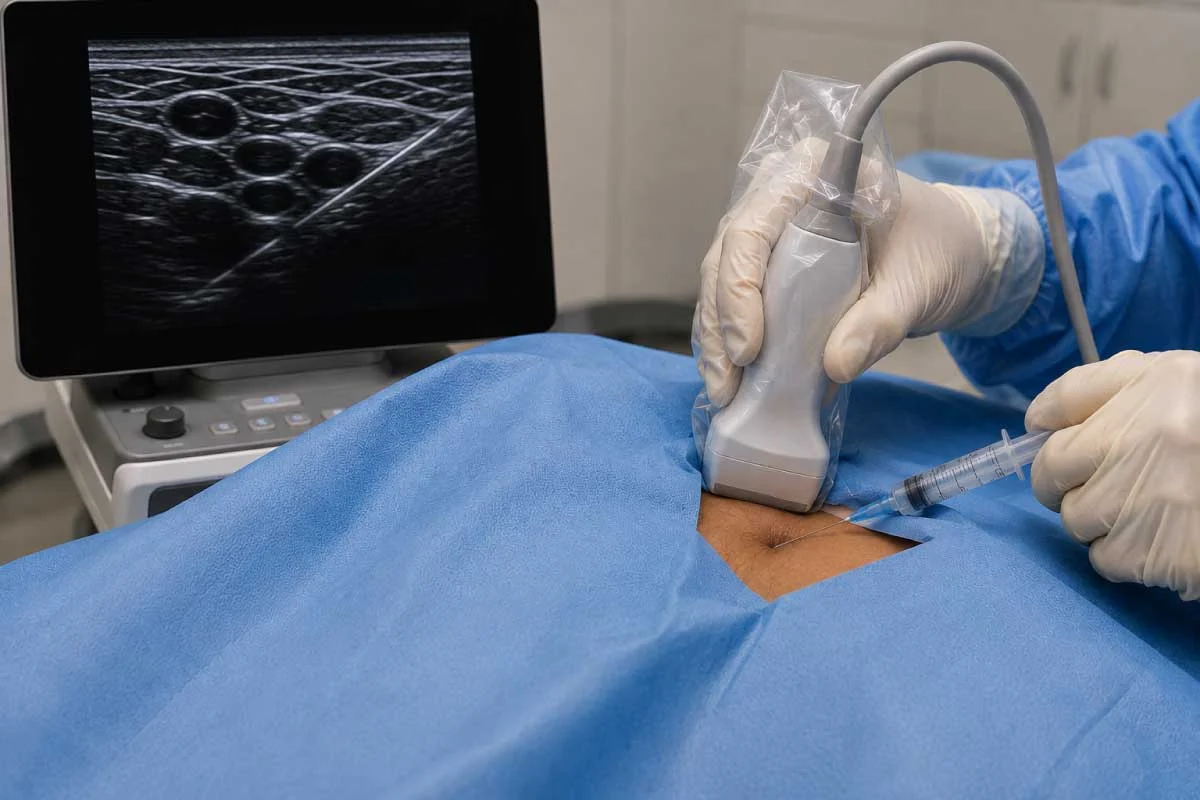
The whole thing happens right in our office. Using ultrasound to guide the needle precisely, your doctor delivers the allergen into a lymph node, usually in the groin area, where these nodes are easy to reach. Here’s what each visit looks like:
- Takes about 20 to 60 minutes
- Includes a short monitoring period afterward, so we know you’re doing well before you leave
- Is spaced about four weeks apart
Most patients tolerate ILIT very well, with only minor side effects.
Is ILIT right for you?
ILIT tends to be a good fit if you:
- Want a faster alternative to allergy shots
- Have a hard time committing to frequent clinic visits
- Still deal with seasonal or environmental allergies despite taking medication
It isn’t the right choice for everyone, though, which is why we start with an individual evaluation instead of a one-size-fits-all recommendation.
Why we offer it
Our goal is simple: treatments that are backed by evidence and realistic to finish, because the best allergy plan is the one you can actually stick with. ILIT checks both boxes, pairing a precise, immune-focused approach with a schedule that respects your time.
If you’re tired of planning your year around pollen counts or the family pet, it may be worth a conversation. Reach out to schedule a consultation, and we’ll talk through whether ILIT is a good match for you.